The Schlern/Sciliar Habitat
"Habitat Schlern" - Flora and Fauna in the Schlern/Sciliar Region
Project Sponsors

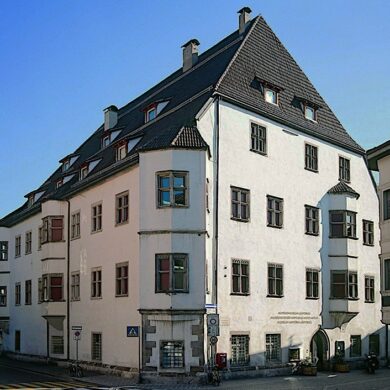
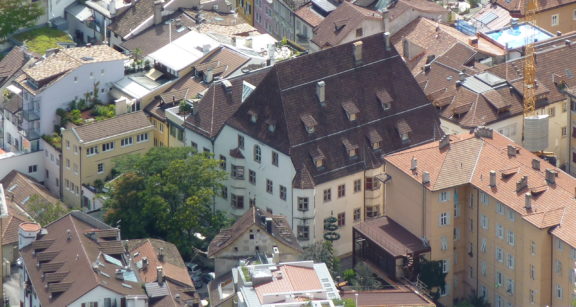
- Museum of Nature South Tyrol;
- Agency for Nature Parks of the Provincial Department for Nature and Landscape;
- Provincial Department for Forestry.Landesabteilung Forstwirtschaft.
Approximately 5,100 animal and plant species confirmed
In 2006 and 2007, approximately 5,100 plant and animal species were identified in the Schlern region. Among these were 444 species found for the first time in South Tyrol, and 128 species identified for the first time in Italy. These are the most important results of the research project, but additional new discoveries are highly likely during the scientific evaluation of the material collected.
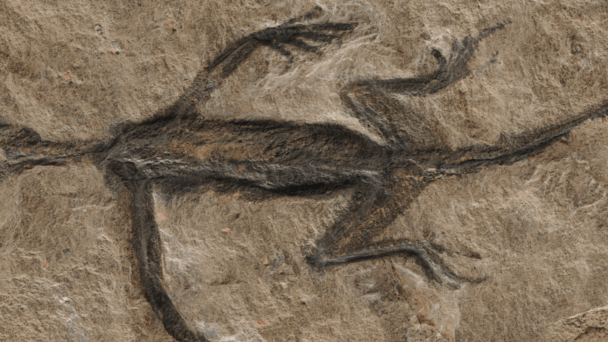
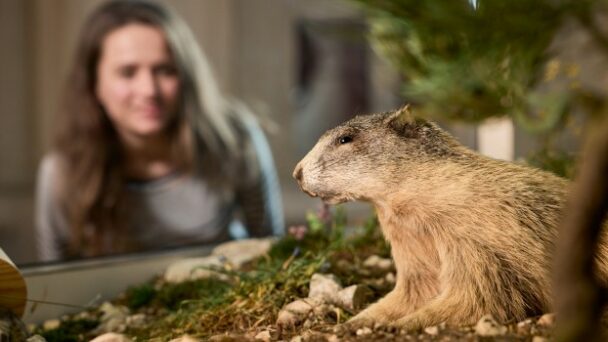
Experts from Germany, Austria and Italy examined the members of 24 plant and animal groups in the Schlern region: snails, oribatid mites, spiders, dragonflies, grasshoppers, cicadas, ants, bees, ground beetles, rove beetles, humpbacked flies, butterflies, fish, amphibians, reptiles, birds, bats, furred game, aquatic animals as well as flowering plants and ferns, lichens, moss and fungi.

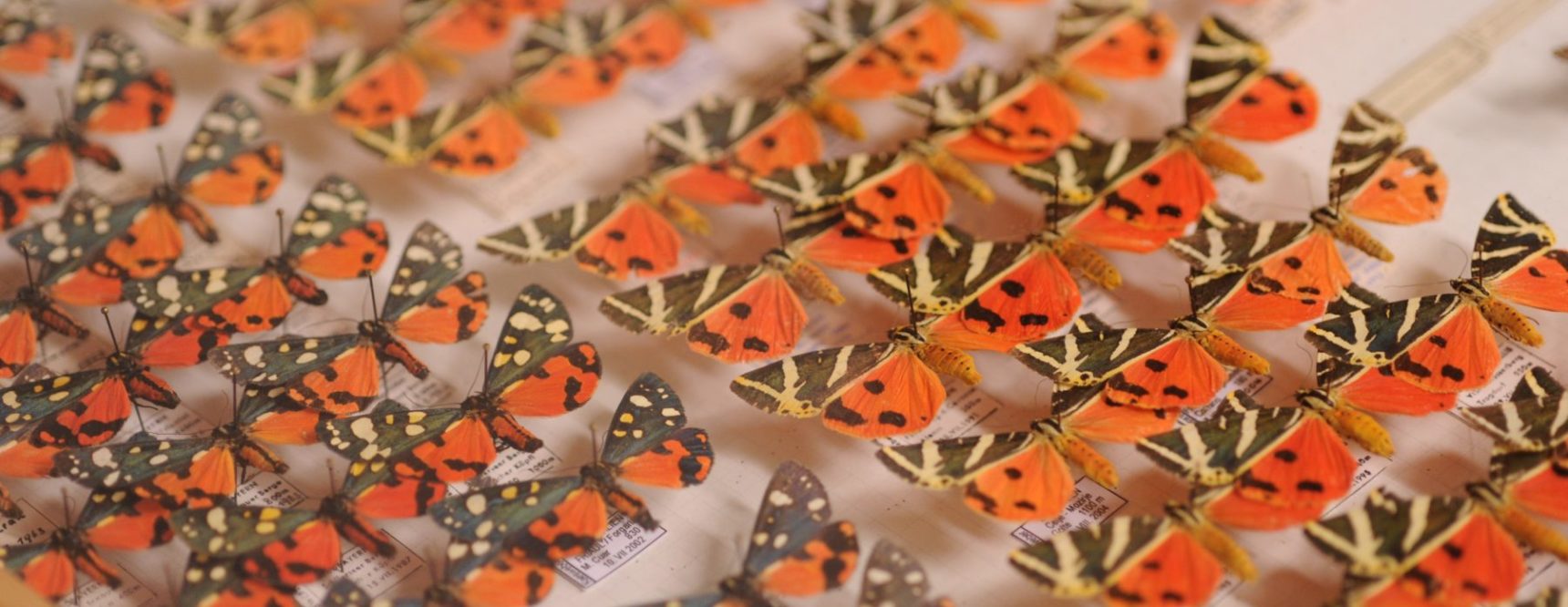
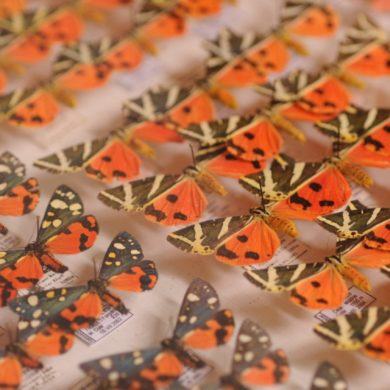
The results were clear. The Schlern-Rosengarten Natural Park is an extremely varied habitat with an unexpectedly high number of species. Thus, the researchers in the area under investigation counted over 224 different species of bee, as well as 36 species of grasshopper, in other words more than 50% of the respective species so far discovered in South Tyrol. The same applies to butterflies: 1,030 species were identified, corresponding to approximately one third of all the species up to now known in South Tyrol. Nearly 3,000 animal species were documented, equivalent to around 20% of the species listed in the 1997 catalogue of “The Animal World of South Tyrol”.
Many rare and vanished species of plants were rediscovered. “This was a very pleasing result”, explained the project director, Willigis Gallmetzer. The oribatid mite expert Heinrich Schatz also spoke of an “unbelievable range of species”. One third of all species of oribatid mites known in Italy live on the Schlern. The area is therefore a “hotspot of bio-diversity”.
The project also brought certain negative aspects to light. Intensive grazing is also a factor in restricting the richness of species in the Schlern region. Thus, a remarkably large number of butterfly species were counted, but the population density was low due to the intensive use as pastureland of some of the areas under investigation. Certain high-alpine species could no longer therefore be identified. High-altitude moorland is also a victim of overgrazing, with the typical mycorrhizal fungus not being found and saphrophytes taking their place, a totally unnatural occurrence for high-altitude locations.
This is the first time in South Tyrol that such an extensive “inventory” has been accomplished within a defined area. The area of investigation lay in the Schlern-
Rosengarten Natural Park, ranging from the forests above the municipalities of Kastelruth, Völs and Tiers at an altitude of 1,000 metres, up to the alpine meadows on the Schlern plateau and the Petz screes at 2,500 metres. The researchers recorded the animal and plant world at 16 locations, each representing a different habitat. In 2006, the scientists examined running waters, standing waters, wetlands, spruce forests, pine forests, dolomite cliffs, stagnant water, a larch pasture and a fire-affected area in St. Zyprian/Tiers. In 2007 seven more habitats at higher altitudes were added to the research programme: limestone detritus, mountain pine belts, hay meadows, moorlands, alpine chalk meadows, volcanic rock layers and shaded dolomite cliffs.
One important aspect of the project is the comparison of those species identified with the data for the area contained in the literature. This comparison allows conclusions to be drawn on the possible changes to the natural and cultural landscape. The results of the research are archived in the “Gredleriana” periodical, published by the South Tyrol Museum of Nature, in the museum databases and at the Natural Parks Office. In addition, in May 2008 a travelling exhibition in Bozen/Bolzano and in the municipalities of the Schlern region will be providing information about the project. The Natural Parks Office is publishing the data in a brochure in its series “Unter der Lupe” [Under the Magnifying Glass].

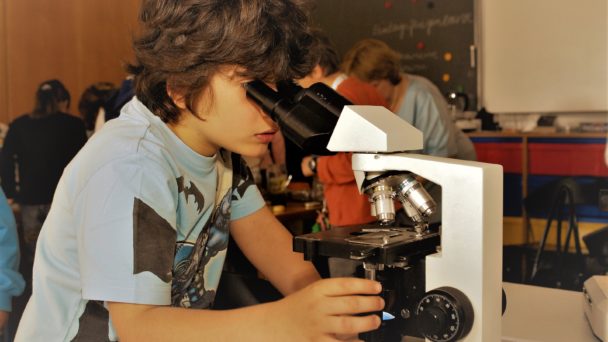
Lectures, guided walks and themed excursions have also ensured that schools in the Schlern region, locals and tourists have all become involved in the project. In 2006 and 2007, events were held on the GEO Day of Species Diversity as part of the project in the Schlern region. Scientists and local administrators also participated in workshops in Tiers, Völs am Schlern and Kastelruth.
Research results (PDF document) available in German or Italian
Habitats (see map)
Sponsors:
- Hans- und Paula Steger Stiftung http://www.hotelsteger-dellai.com/
- Gemeinde Kastelruth http://www.gemeinde.kastelruth.bz.it/
- Gemeinde Völs am Schlern http://www.gemeinde.voels.bz.it/
- Gemeinde Tiers http://www.gemeinde.tiers.bz.it/
- Südtiroler Raiffeisenkassen http://www.raiffeisen.it/
- Tourismusverband Seiser Alm http://www.schlern.info/
- Tourismusverein Tiers am Rosengarten http://www.tiers-rosengarten.com/
- Kuratorium Schloss Prösels http://www.schloss-proesels.it/
Information: